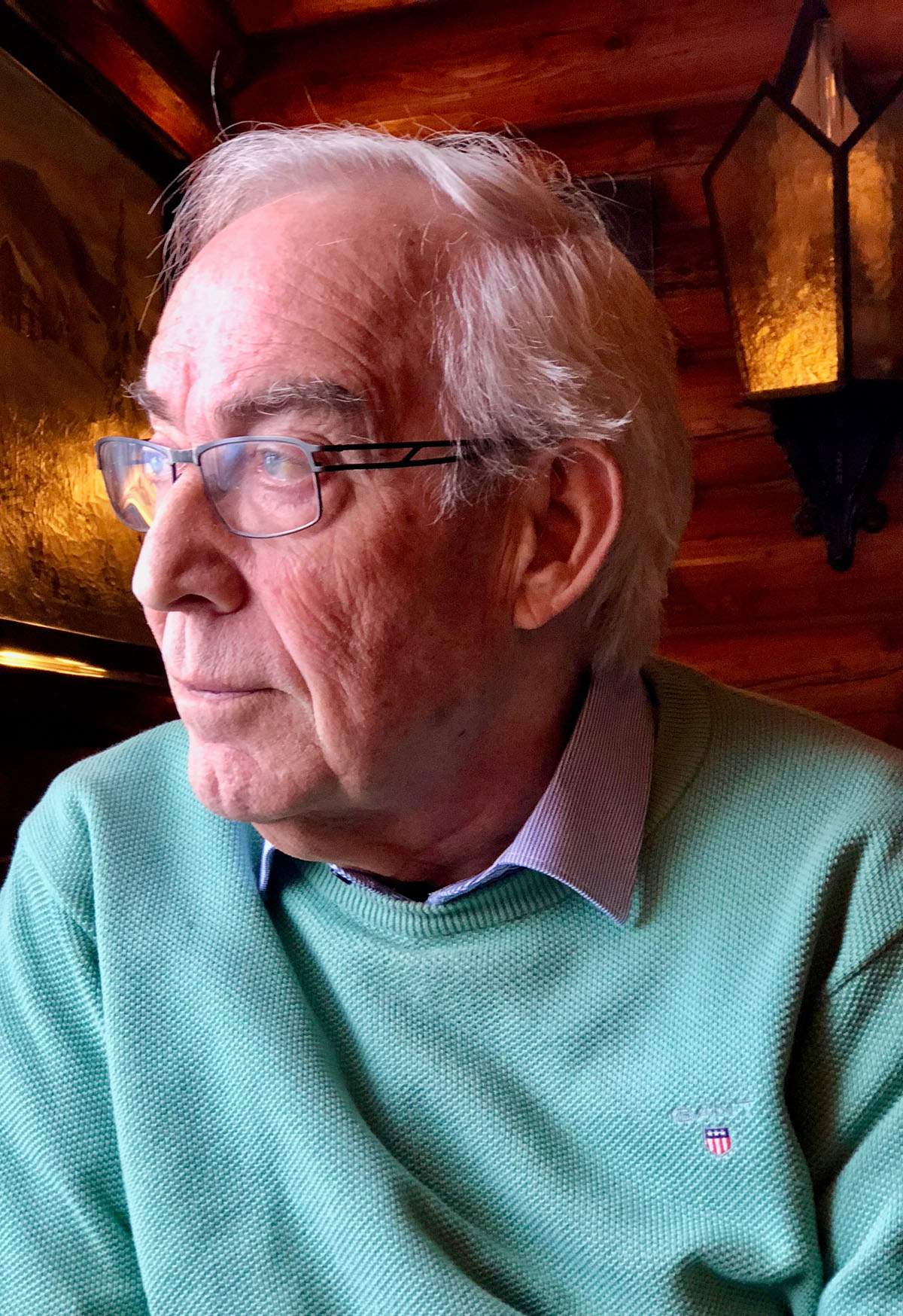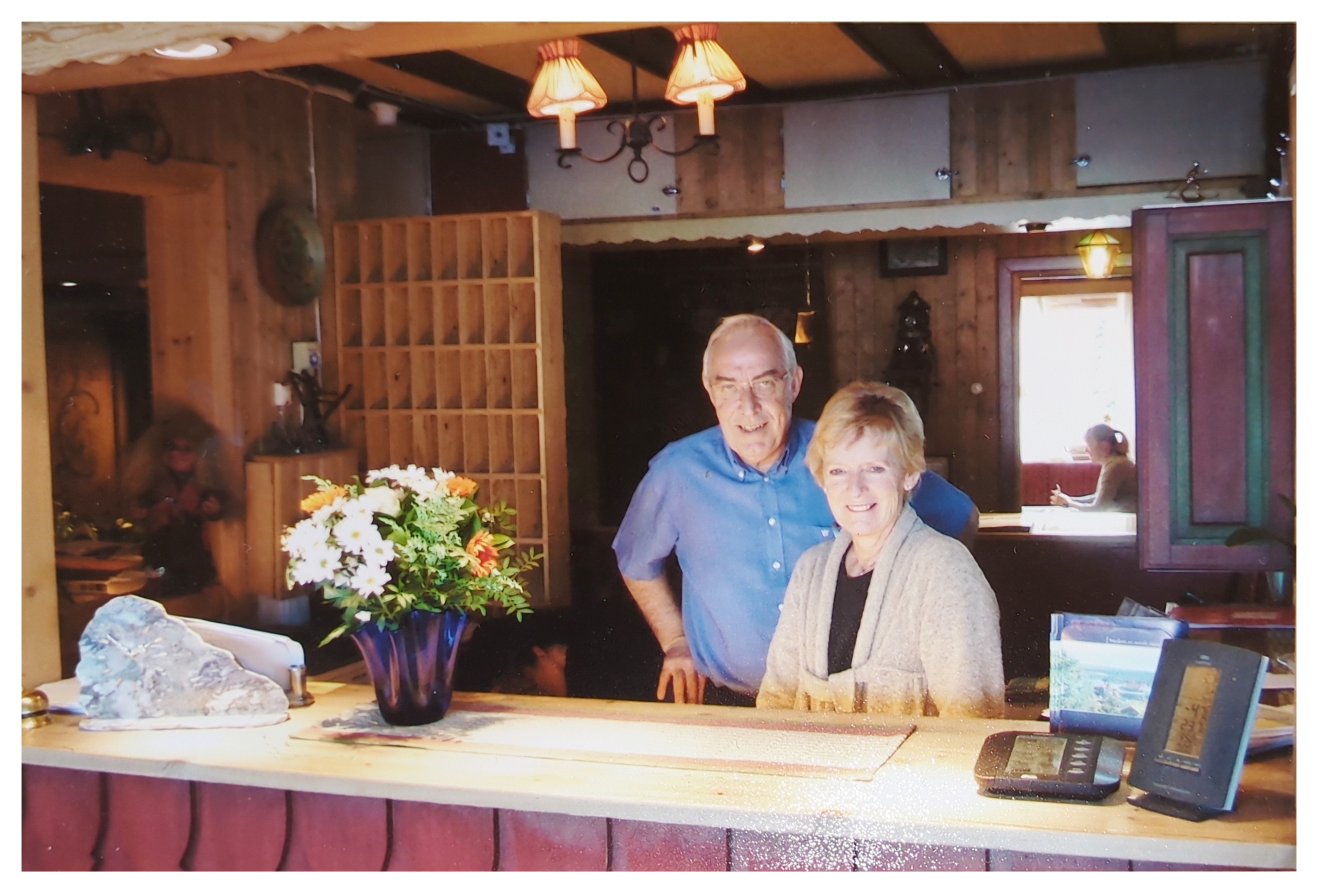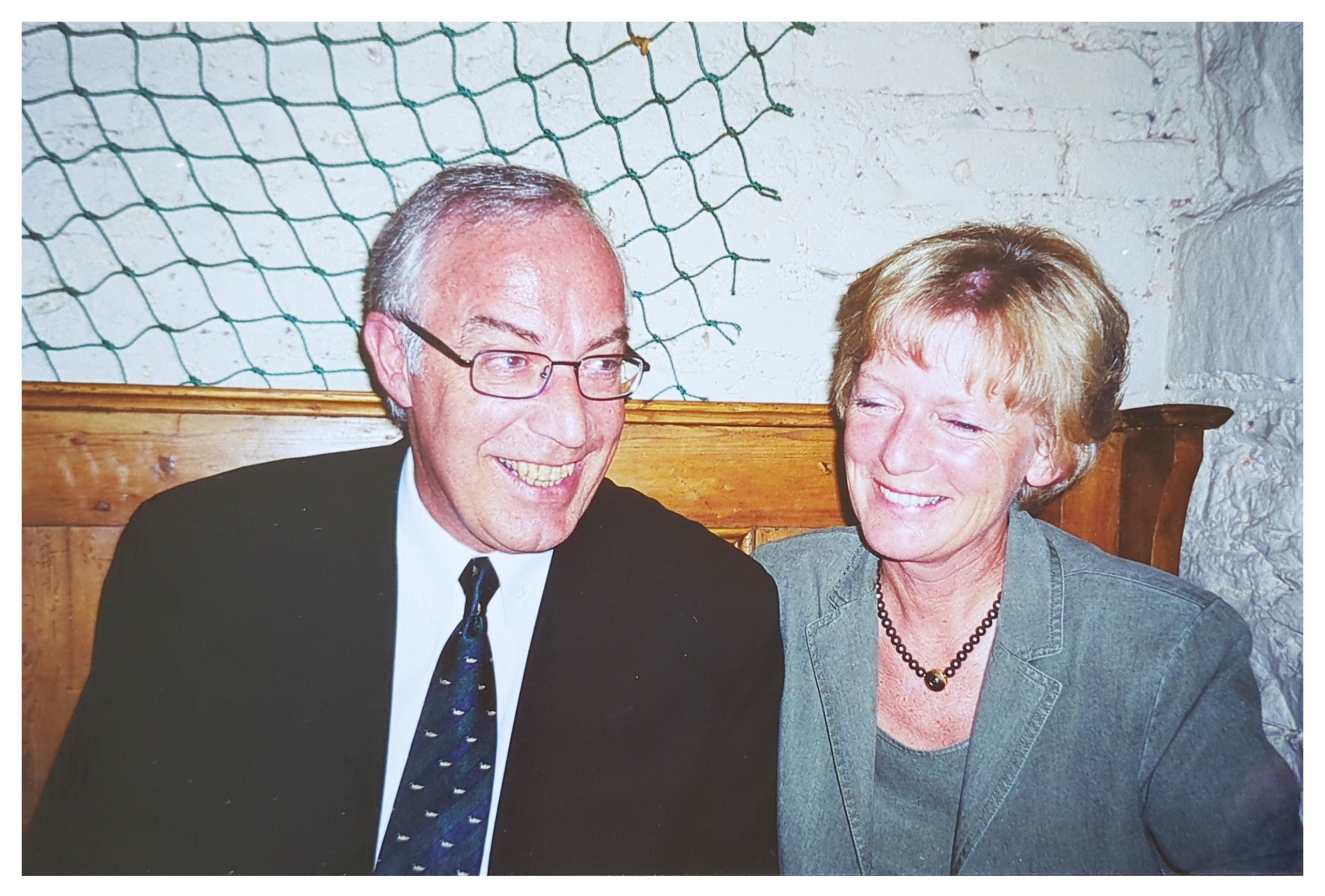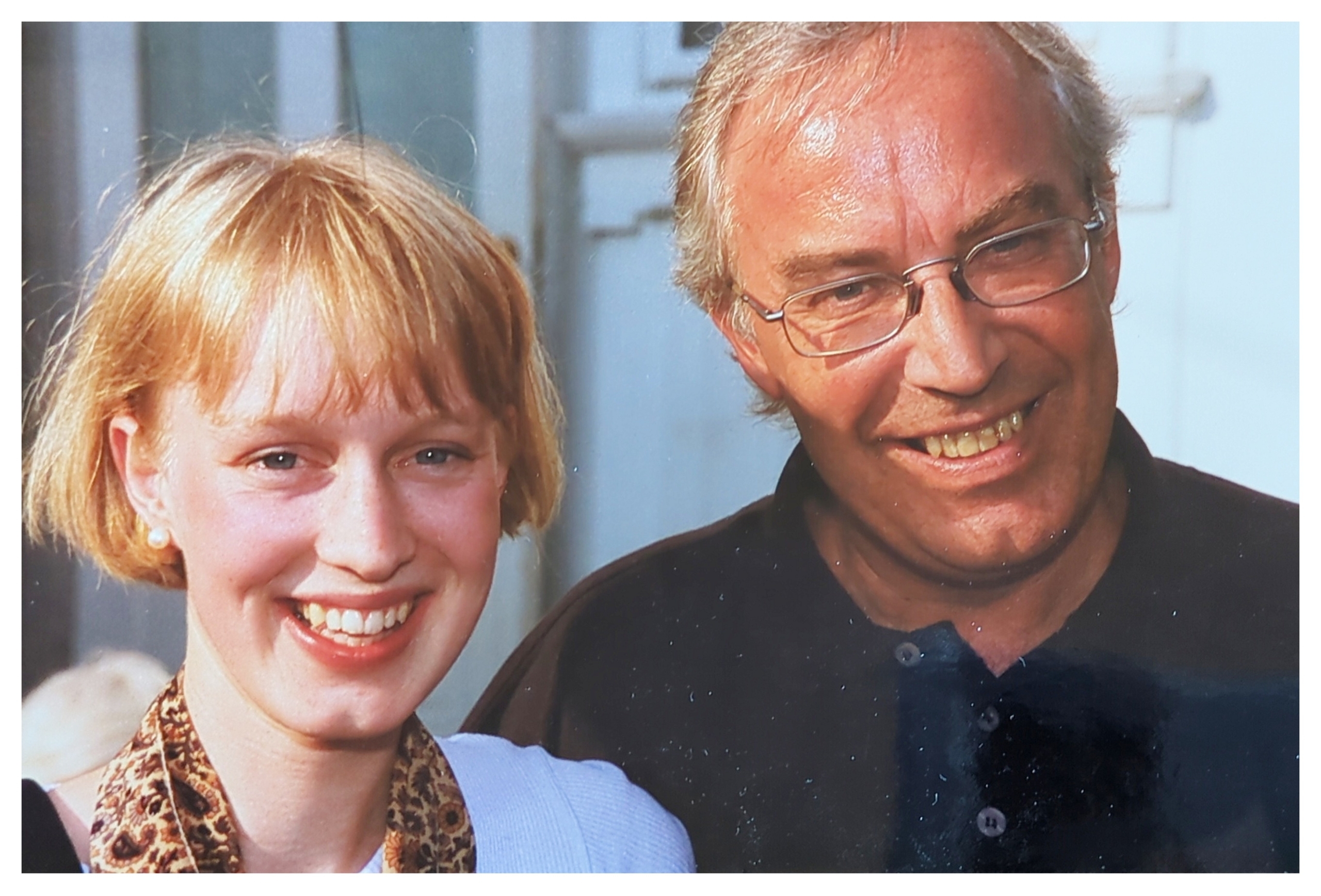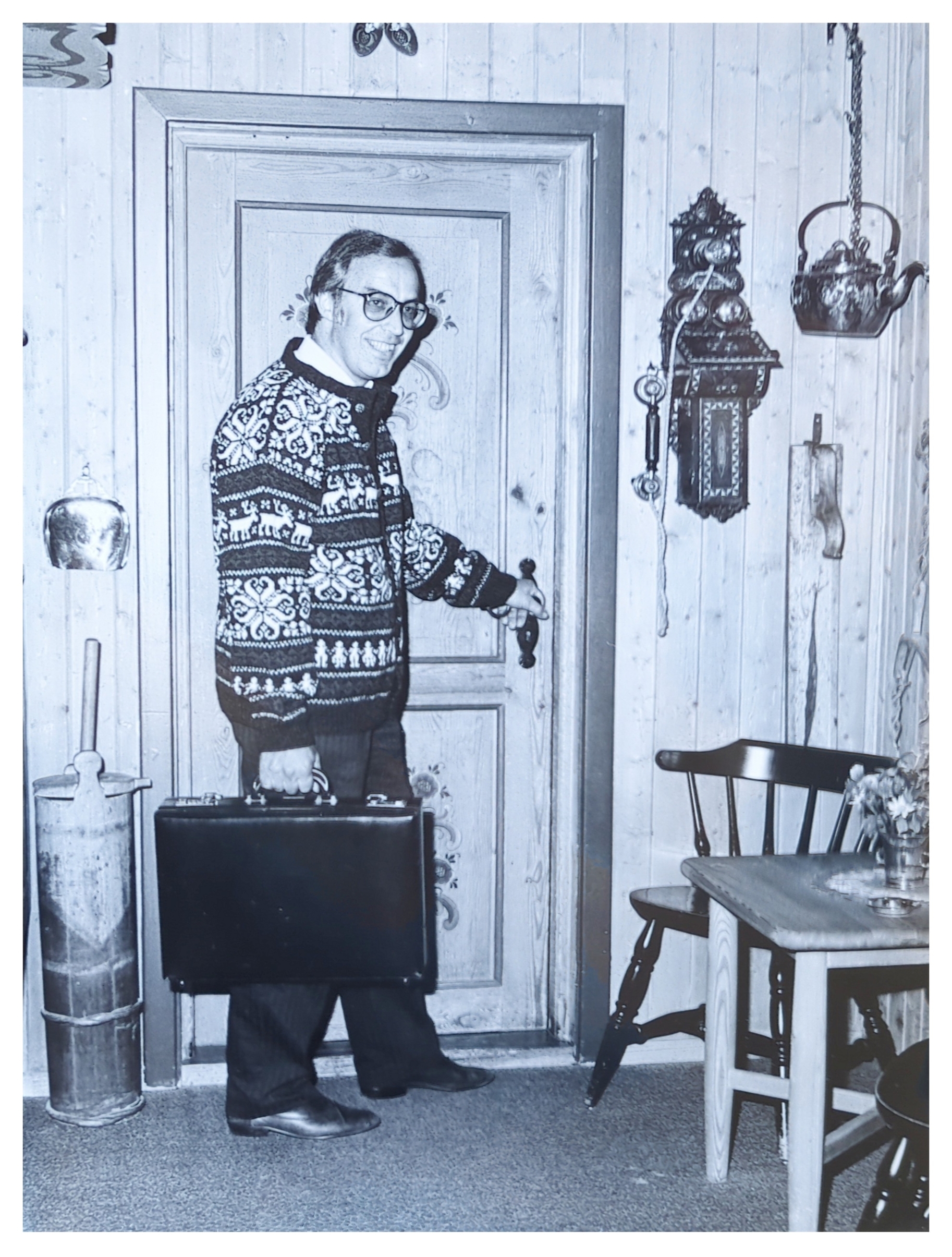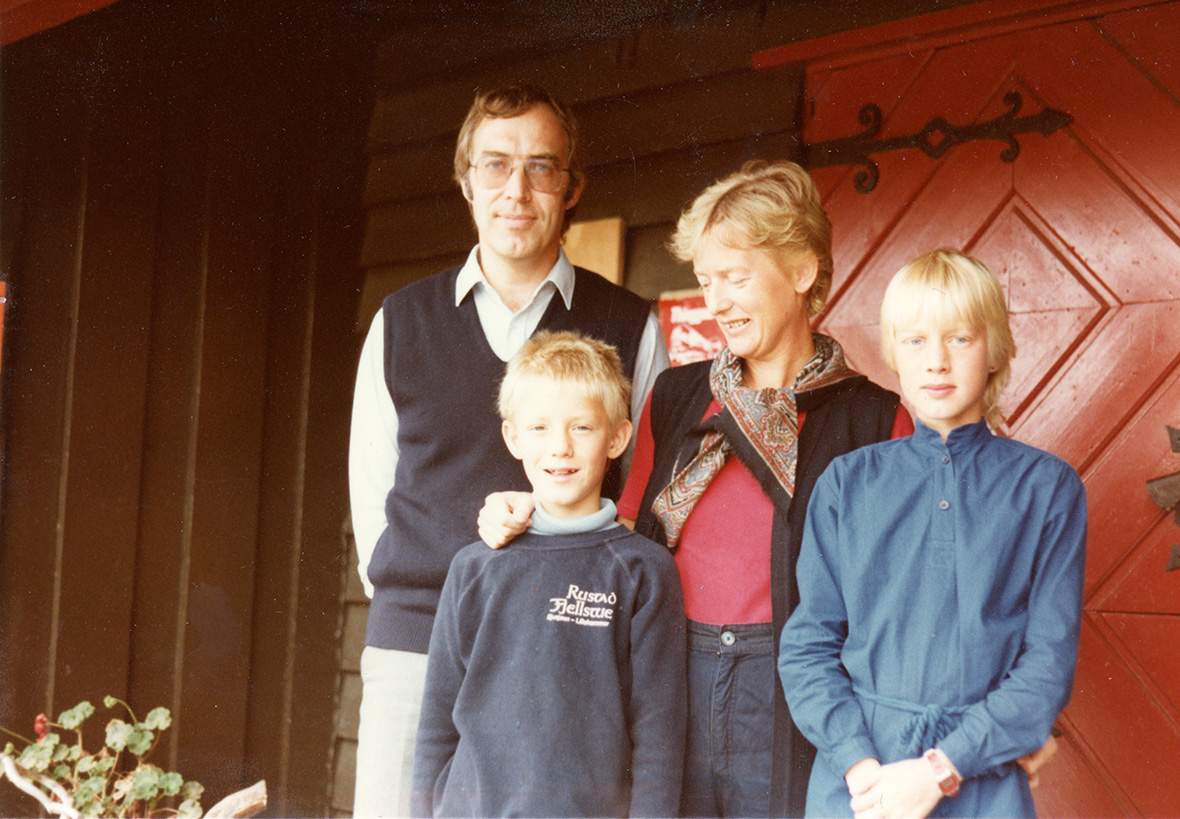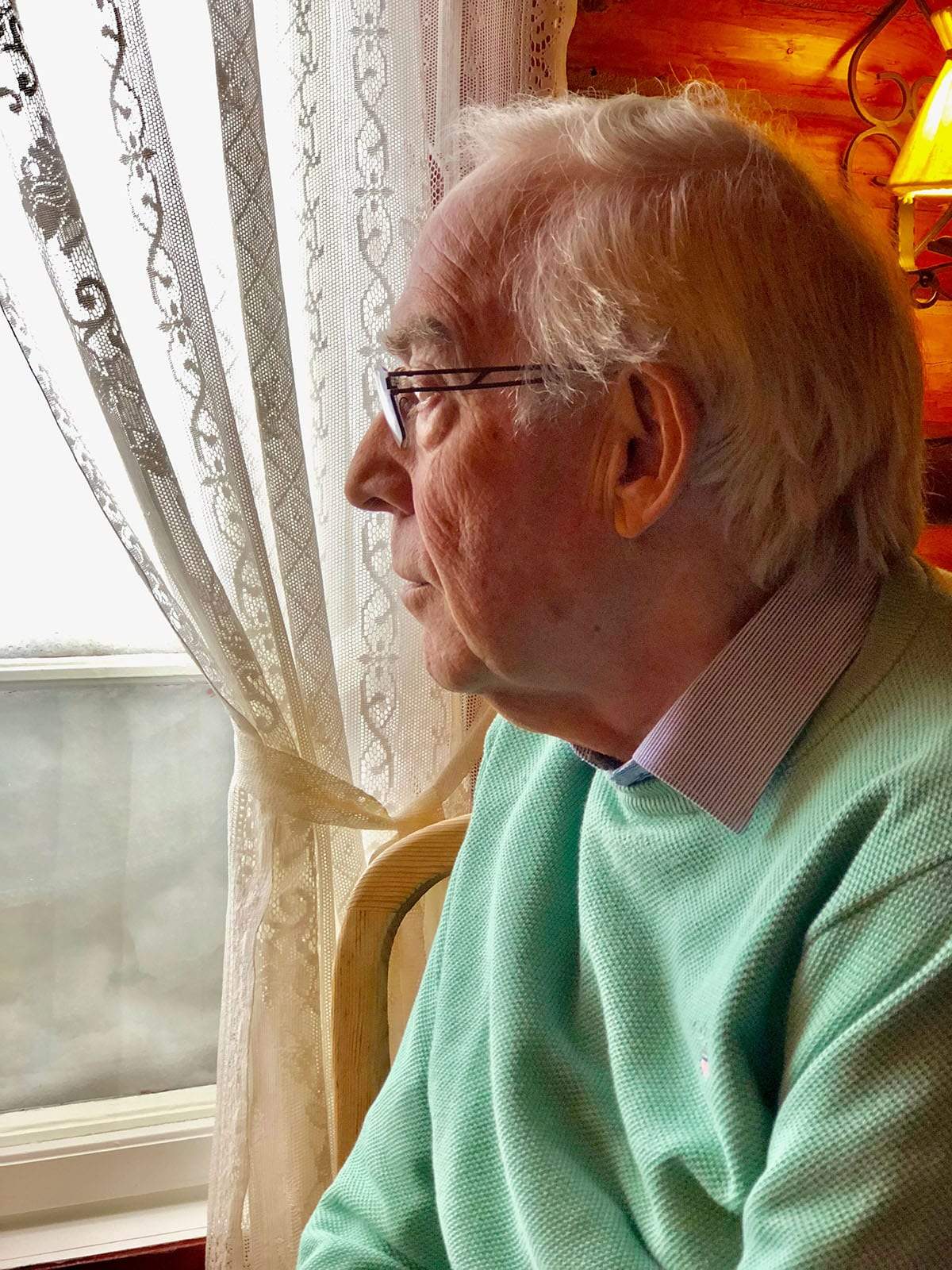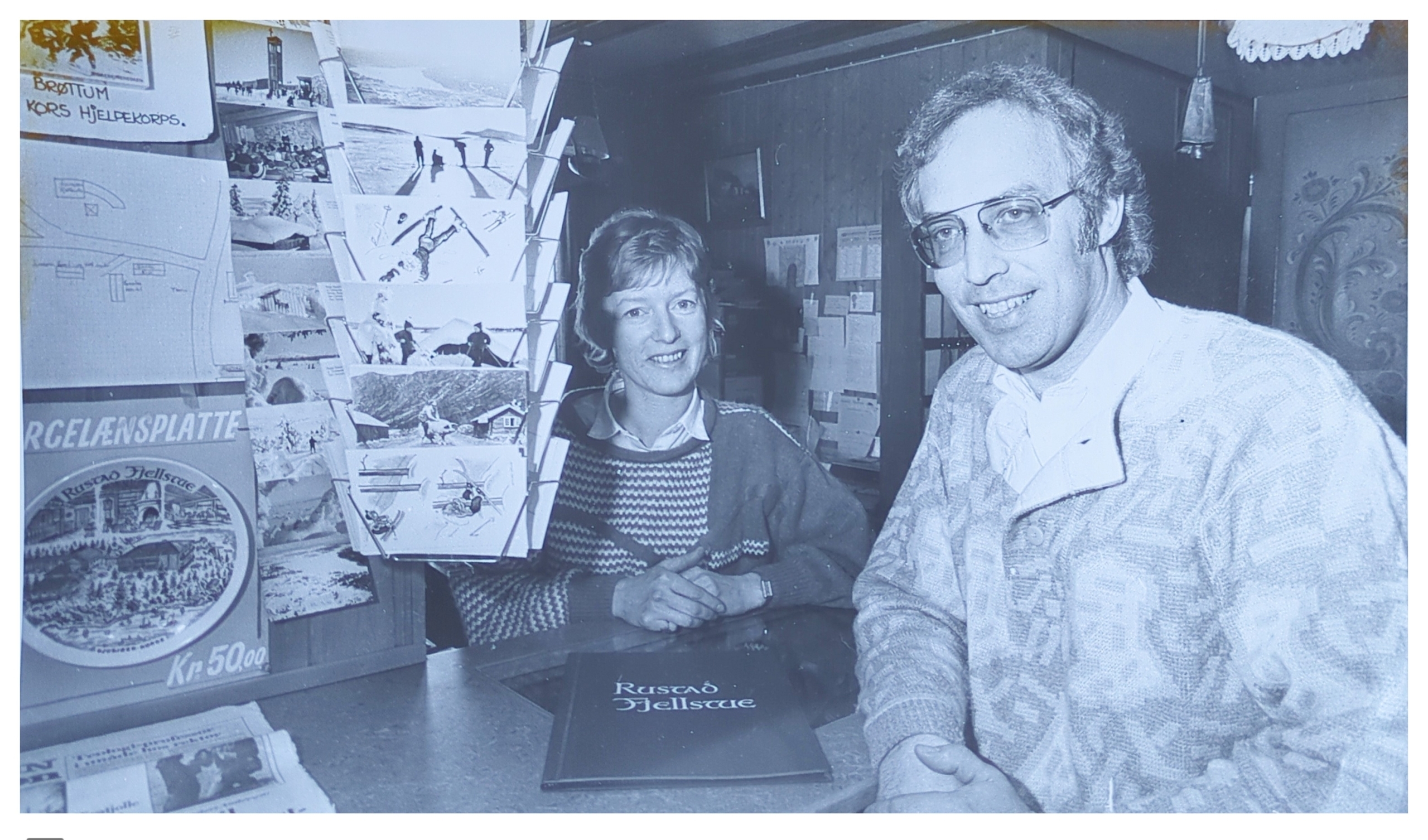

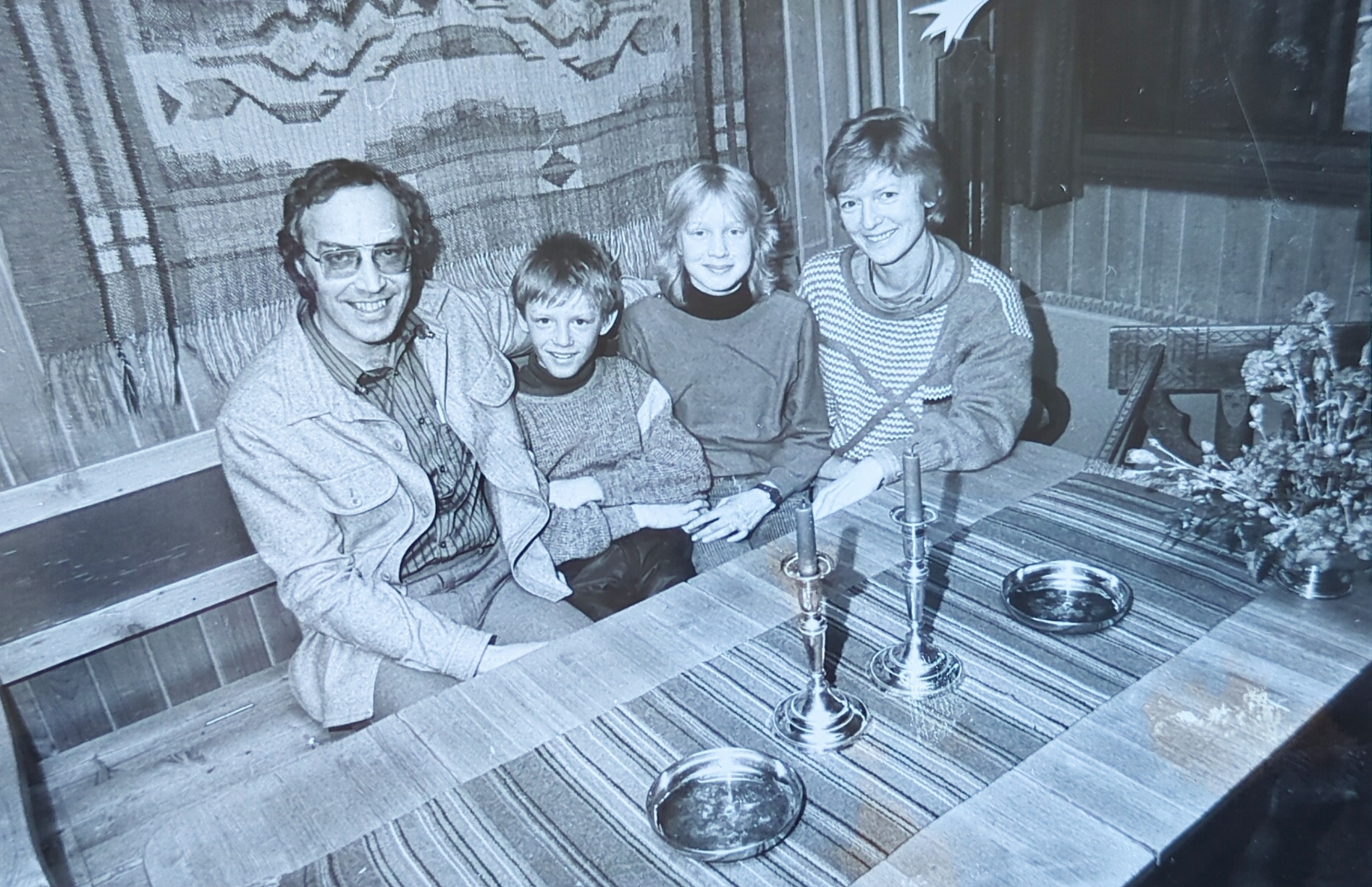
Portrait of Erik Rustad
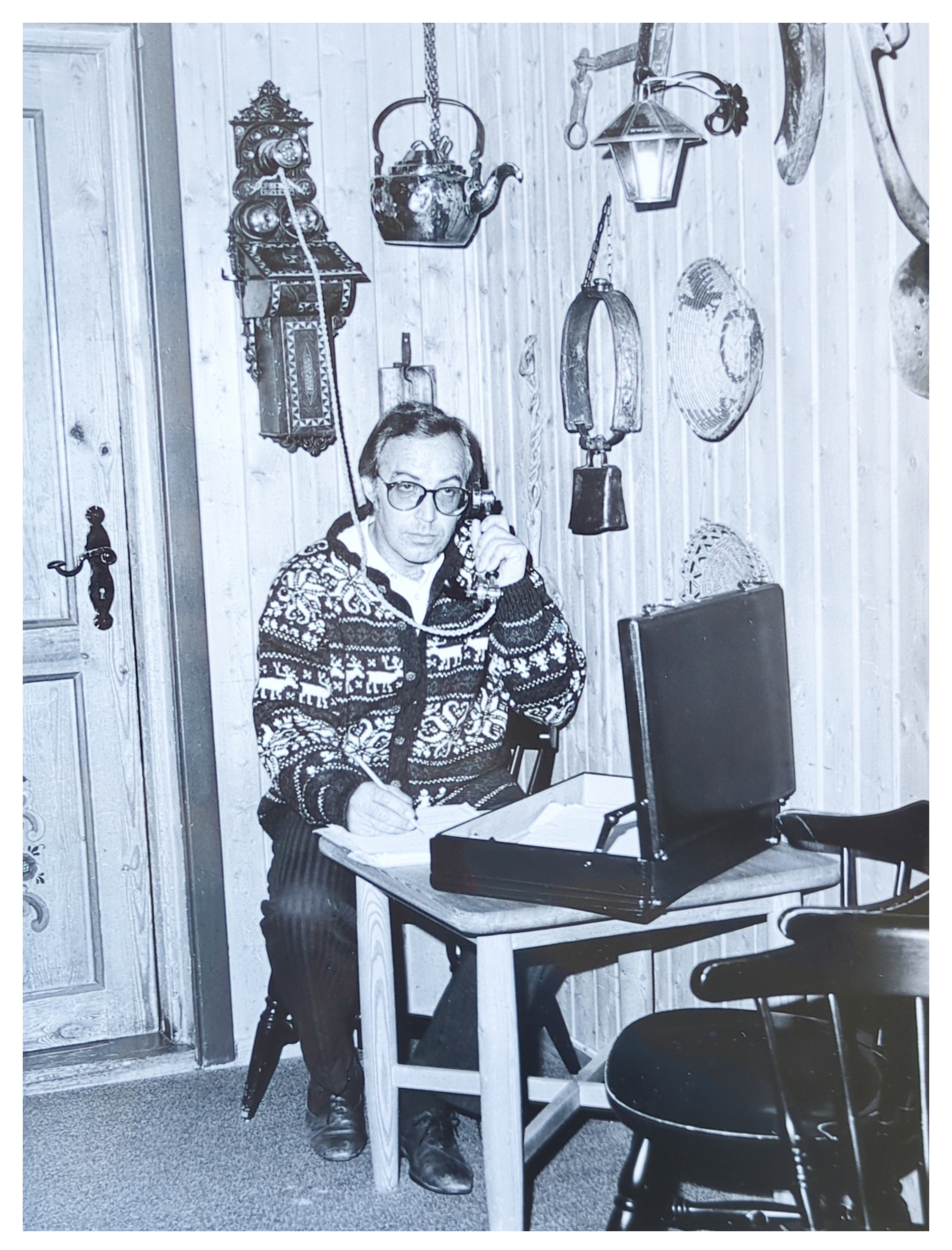
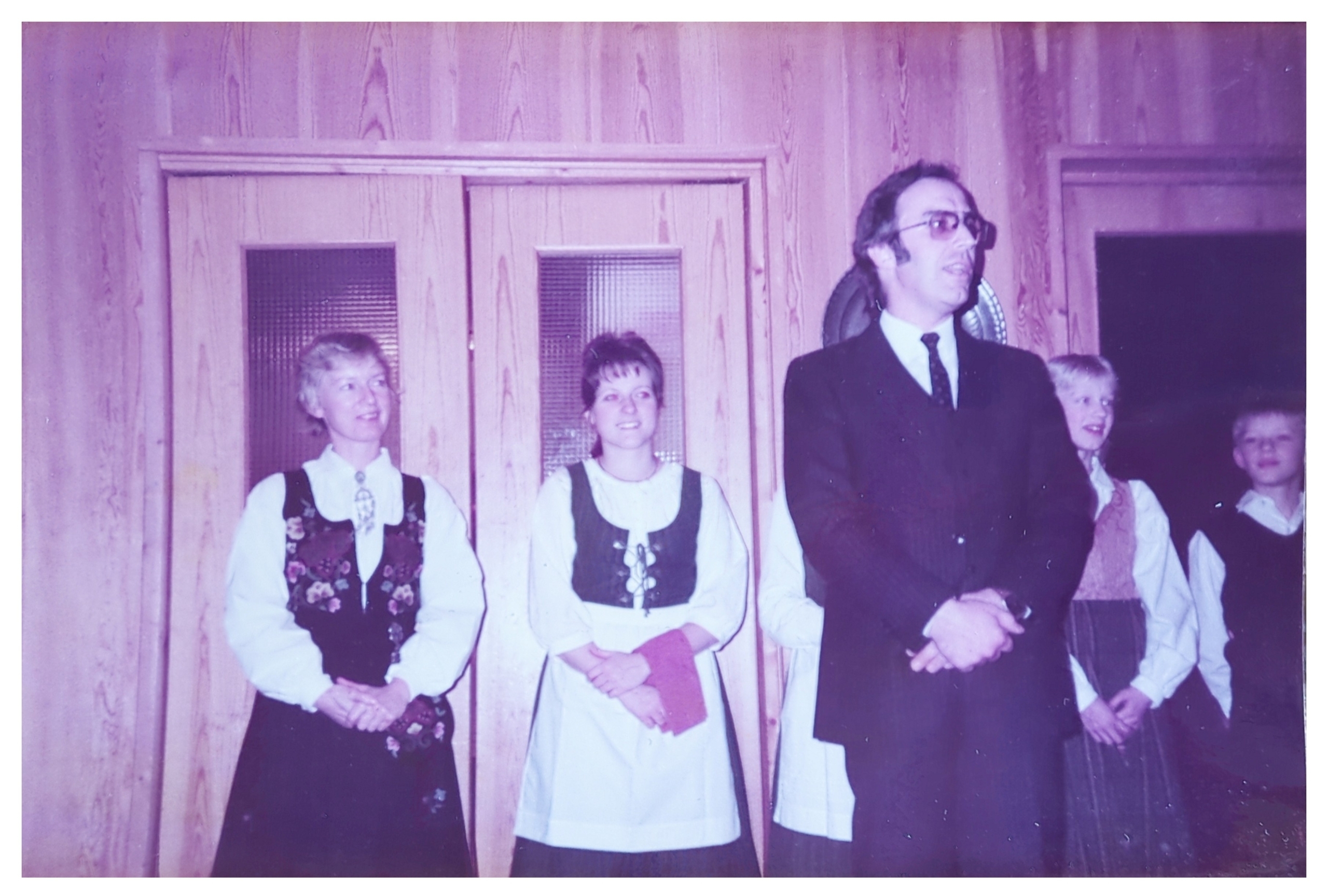
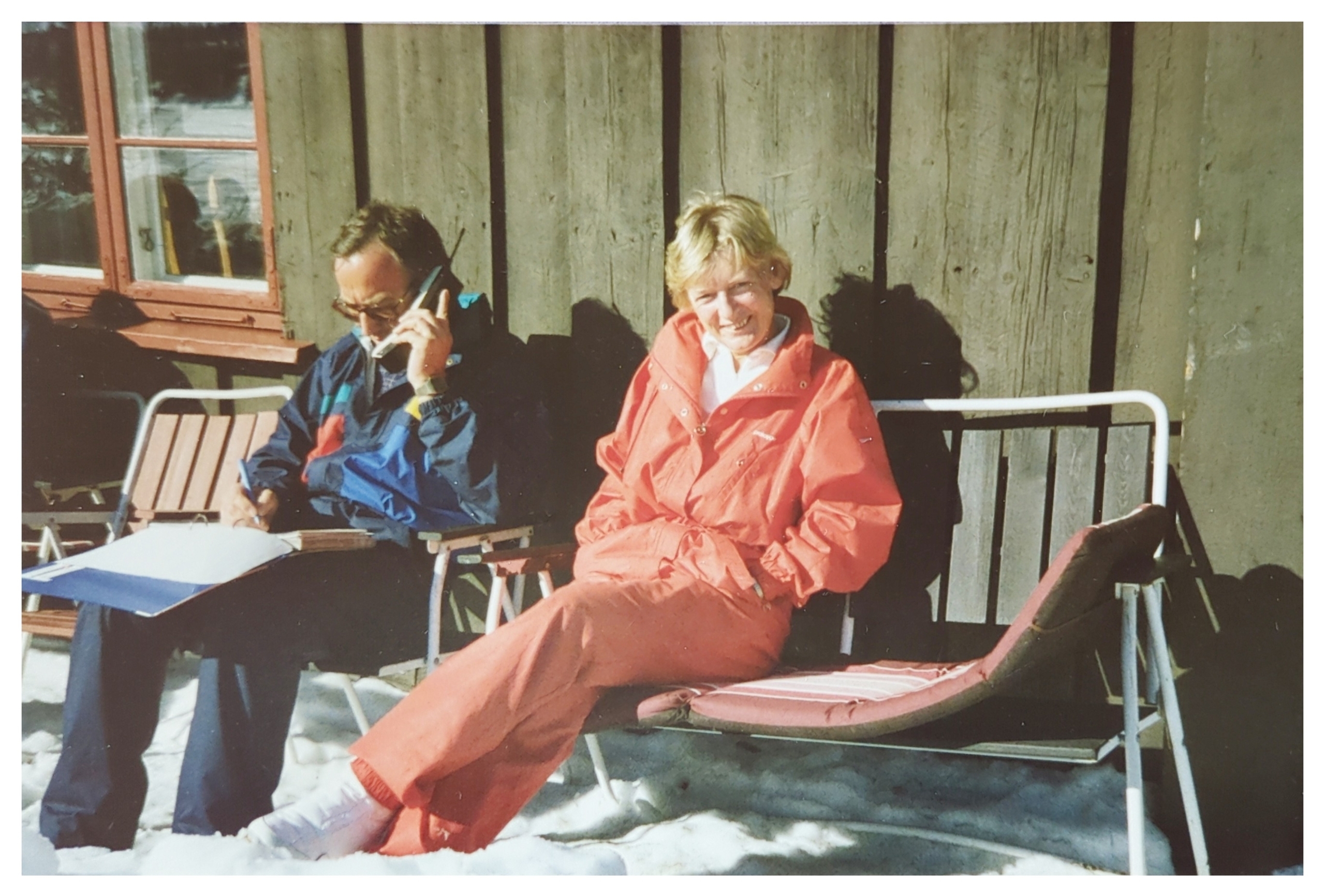
He was born in 1943 and grew up at Rustad Turisthytte with his parents, grandparents, three younger siblings – and guests. Hotel life was in his blood from birth. He trained in hotel management himself, married Annie and took over the mountain lodge in 1976. Here he shares some of his experiences and memories from Rustad.
“Sit nicely now, all the guests are watching you”
We always ate with the other guests in the dining room. Mother and father kept telling us to sit nicely, because all the guests were watching us. But then we discovered that the guests’ children were being told by their parents: “Sit nicely now, look how nicely the Rustad children are sitting.” I decided early on that I would never say anything like that to my own children, and I have kept that promise.
Another question I was constantly asked by the guests was: “What’s your name, my boy, and what class are you in?” In the end I got so fed up that I made a sign saying “My name is Erik and I’m in 2nd class”. I wanted to wear it around my neck, but mother and father wouldn’t let me. Since I grew up, though, I have never asked children I meet those questions.
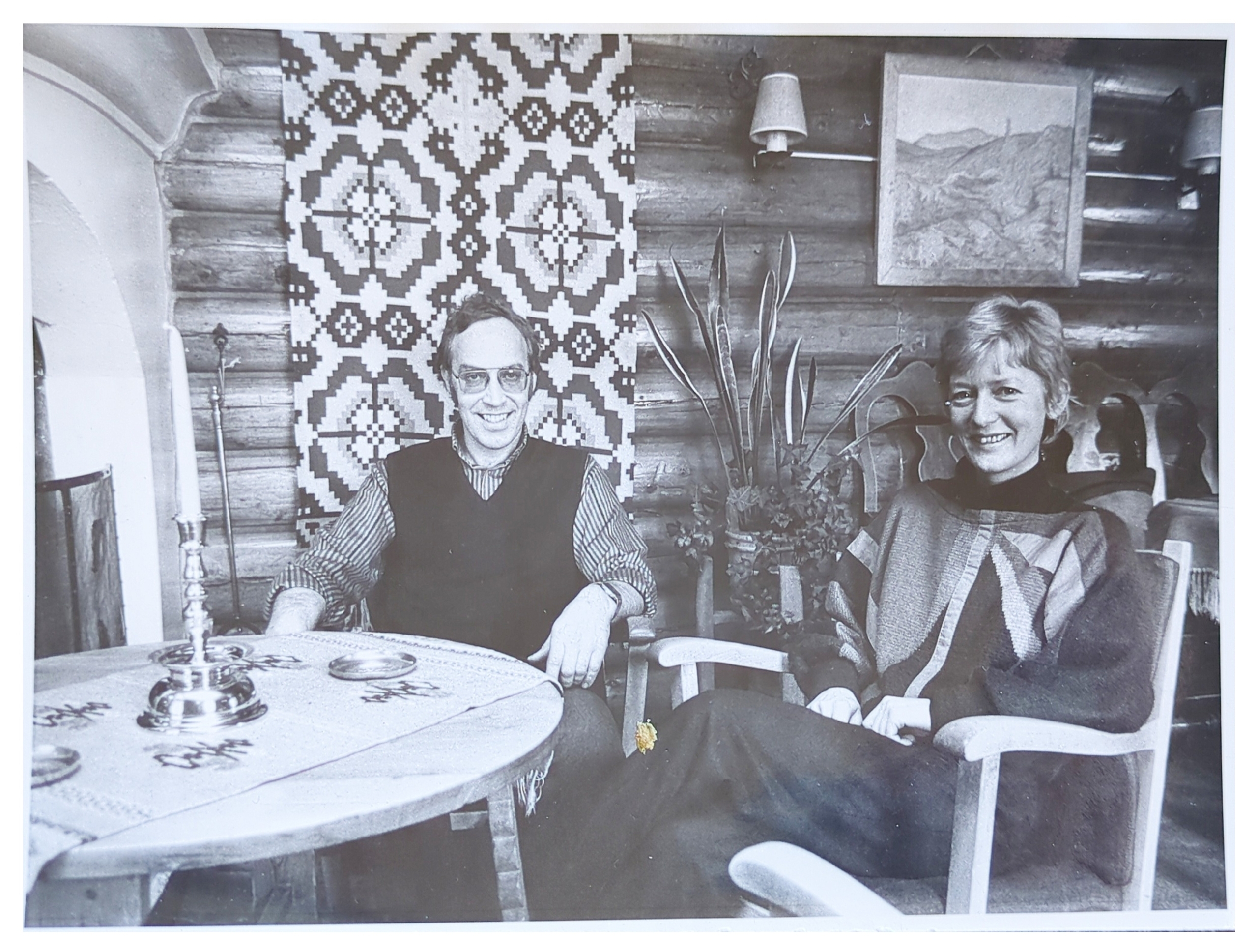
We are sitting in the cosy old lounge with its log walls. It is full of soul and history. Erik talks about big and small things he has experienced. One story leads easily into the next – there is no need for long pauses to think.
In the dining room
The menu might be chicken or veal fricassee, or “prince fish” with prawns and carrots. And “veiled farm girls” (a traditional apple dessert) for pudding. Otherwise there were traditional soups such as asparagus and tomato soup. And of course wine with the meal – the Norwegian red wine I called “Château Vulgaire” (!)
After dinner there was dancing in the dining room. But first we had to clear up after dinner and get the guests out, move the tables aside and put the chairs along the walls. And when the dancing finished late in the evening, the dining room had to be put back and made ready for breakfast. On top of that, the dining room was used at night as a drying room for sheets and duvet covers.
Father played for the dancing, but the walls were so thin! Those who had gone to bed early right above the dining room didn’t exactly get much sleep. And when the dancing was over, there were usually a few people who stayed sitting with their drinks telling jokes. The funny thing was that those lying right above could hear what was said, but didn’t always catch the punchline. They got so curious that they might just as well come down and ask them to tell the jokes again! They didn’t want to miss anything.
A musical family
But it wasn’t only father who played. Both my brother Jon and I played too. He became really good, and he is a well-known figure in Lillehammer. He plays a lot at Helsehuset and at Horsters Minde, often for people with dementia, and he sings in the male choir Klang. Music means an enormous amount to people with dementia – medical staff ought to know how much it means.
The guests
Our guests were mostly Norwegian and Danish. There were package tours from Denmark, while the Norwegians mostly came from the Oslo area. Many of our regulars started coming during the war. My parents told me that Helge Ingstad was here with his wife and daughter Benedikte. She is the same age as me, and the two of us were pulled together in a pulk, says Erik. Our regular guests are often the fourth generation to come here. Those who came here with their parents return when they grow up. Some choose to marry in the mountain church here at Sjusjøen and hold their wedding with us.
Threatened with a bayonet
A frightening episode during the war, which I cannot remember myself, happened when I was about one year old. Father told me about it later. The Germans had got wind of refugee routes from Sjusjøen to Sweden. They had noticed that at times an unusual number of people were coming and going at Rustad. And they were right, because this was the actual base of the route. Father was the go-between who received refugees and helped them on to Sweden. One day some Germans came stomping in to father. They wanted to know what was going on. One of them held a bayonet against my stomach to make father break down and tell them what was happening. But he said nothing, and nothing happened. They left. The refugee traffic continued throughout the war, and fortunately it was never discovered.
Father packed the ski trails
Father and a man from the neighbouring hotel packed the ski trails for the guests on foot. If the weather was good, they made a trail in to Pellestova; if it was bad, they stayed down in the forest trails and in Mesnalia. Then the snowmobile arrived – I think it was in the sixties – and there was an outcry because people thought it would ruin nature. A bit strange, since today big grooming machines are used, but that’s not so bad because it makes for great trails. Now and then some regular guests say they miss the lovely trails that used to run through the forest. “Well, just start packing,” I tell them.
School, work and education
After school, chef training and restaurant work in Oslo, he spent six months “at sea”. Working as assistant purser on one of Kloster’s cruise ships was a fun and educational time before he started at the hotel school in Stavanger.
Yes, I went to the hotel vocational school, while my daughter Karianne, who now runs the place, went to the hotel university college, Erik chuckles. – Apparently there’s a big difference, I’ll have you know – according to her, that is.
Development
Before we had showers and toilets in the rooms, there was often a queue for the toilet in the corridor. But it was actually rather nice to sit and wait for it to be free. Afterwards, several of the old guests missed the social side of the queue in the corridor…
There has been enormous development. When we got TV, I remember sitting in the attic turning an aerial to get a signal. And afterwards we could sit for ages just watching the test card and the goldfish. Grandfather sat in the office writing bills by hand. And on his desk he had an “iron contraption” that he used to repair ski boots.
The conversation continues on all sorts of topics. I ask what has been most special, or what he remembers best from his time as host. The answer comes after just a few seconds’ thought.
The 1994 Olympics
A delegation from Nagano stayed here. They were a fantastic group. Their mayor was supposed to come too, but shortly before they were due to arrive he was arrested for corruption! So he had to stay at home.
I especially remember one time when they asked if they could make a special food request. Of course, I said. I thought it was bound to be something very unusual. But what they really wanted was spaghetti with meat sauce – that was the big wish, so that’s what they got. Otherwise we served a buffet, and they were thrilled with rakfisk (fermented trout), which they thought was a real treat.
American journalists were another fun group. They were here only to follow Tonya Harding – they were from her home town. Atlas Copco (a global industrial company) was also represented here, and after their stay I received a personal letter of thanks from the CEO. That was very nice.
Erik tells of several episodes during the Olympics that he will never forget. About the young couple from Hawaii who arrived in thin jackets – they had no idea it was so cold in Norway. About the woman who arrived in high heels, a fur coat and silk stockings. And about the man who forgot his passport and money when he left the lodge. But it didn’t matter much – he was so well off that he ordered a taxi all the way from Oslo to collect what he had forgotten.
Then and now
When it comes to running the business, there is a lot of inspection and reporting today, with many institutions keeping an eye on us – everything from food safety and fire safety to health. These are positive health and safety measures, but they are time-consuming. Computer technology has made some things easier, though.
Socially, there have been big changes. Party games, competitions, singing and conversation have been replaced by TVs in every room and mobile phones. Something important has been lost along the way. I clearly remember an episode long ago that could never happen today. One evening the atmosphere was rather flat, so father found a large glass bowl, filled it with sparkling wine and put straws in it. – Right, everyone, now you can drink! Haha, that was a fun idea.
But why has Rustad Fjellstue survived in a tough and highly competitive industry?
We have worked hard for it. These traditions we carry with us – the foundation is our regular guests. They give us a very solid base.
One of our “new” groups of regulars is Americans who come here to ski the Birkebeiner race. Solveig Jørstad Olsen, who lives in the USA, started organising ski trips to Norway in connection with the Birkebeiner. They stay for ten days.
On one of these trips was a man named Michael. It turned out that it wasn’t only the skiing and the mountain lodge he liked. Today he is married to Erik’s daughter Karianne, who runs Rustad, and together they have a son, Martin. When Martin was little and lay in his pram, grandfather Erik attached a sign to the pram saying “In training”!
Text and photos:
Åse Kari Gravråk