

One spring day in 1934, Borghild Rustad (48) is having morning coffee at Lysgård in Lillehammer. When she heads home a couple of hours later, she has bought a country property at Sjusjøen for 9,000 kroner. Sight unseen!
Borghild had long experience of large-scale housekeeping from running a guesthouse. Her husband, Johan Rustad, had been a farmer and businessman. He had also spent several years whaling in the Southern Ocean to save money for a future investment. Now the time had come to invest in a joint project. The choice was between fur farming and the hotel business. As fate would have it, a coffee visit was to decide the matter. Decisive as she was, Borghild trusted her gut feeling and went for it.
The next day her husband Johan and their son Helge travel up to Sjusjøen to see what Borghild has bought. The gentlemen approve, and planning for building a new tourist business starts immediately.
The preparations
An acquaintance, Gunnar Fougner, was hired as architect, and Jørgen Vold from Mesnali was the master builder. Friends and family contributed various materials. Everything for the construction had to be transported up in the autumn before the snow came, and the work went according to plan despite the difficult working conditions. There was no electricity and no telephone. The hosts worked from early morning until late at night. Rag rugs were woven, curtains and bedspreads were sewn, and beds and furniture were made on site.
The first winter sports resort opens at Sjusjøen
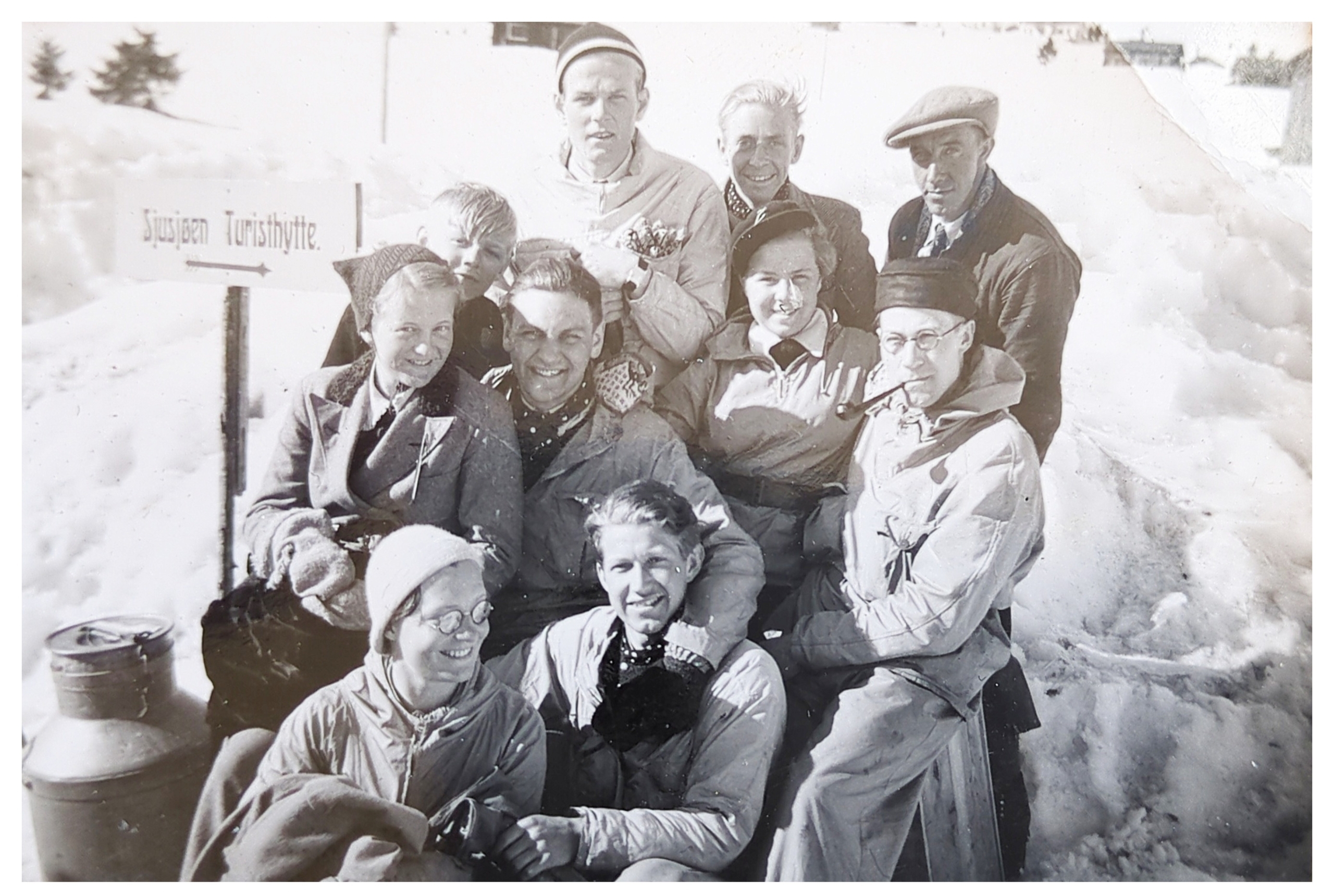
17 March 1935 was a historic day. Borghild and Johan Rustad welcomed 25 guests to the new tourist business, named Sjusjøen Turisthytte. Although there had been tourism at Sjusjøen since the early 1900s, this new tourist lodge was the very first to receive guests in winter.
Everything for the guests
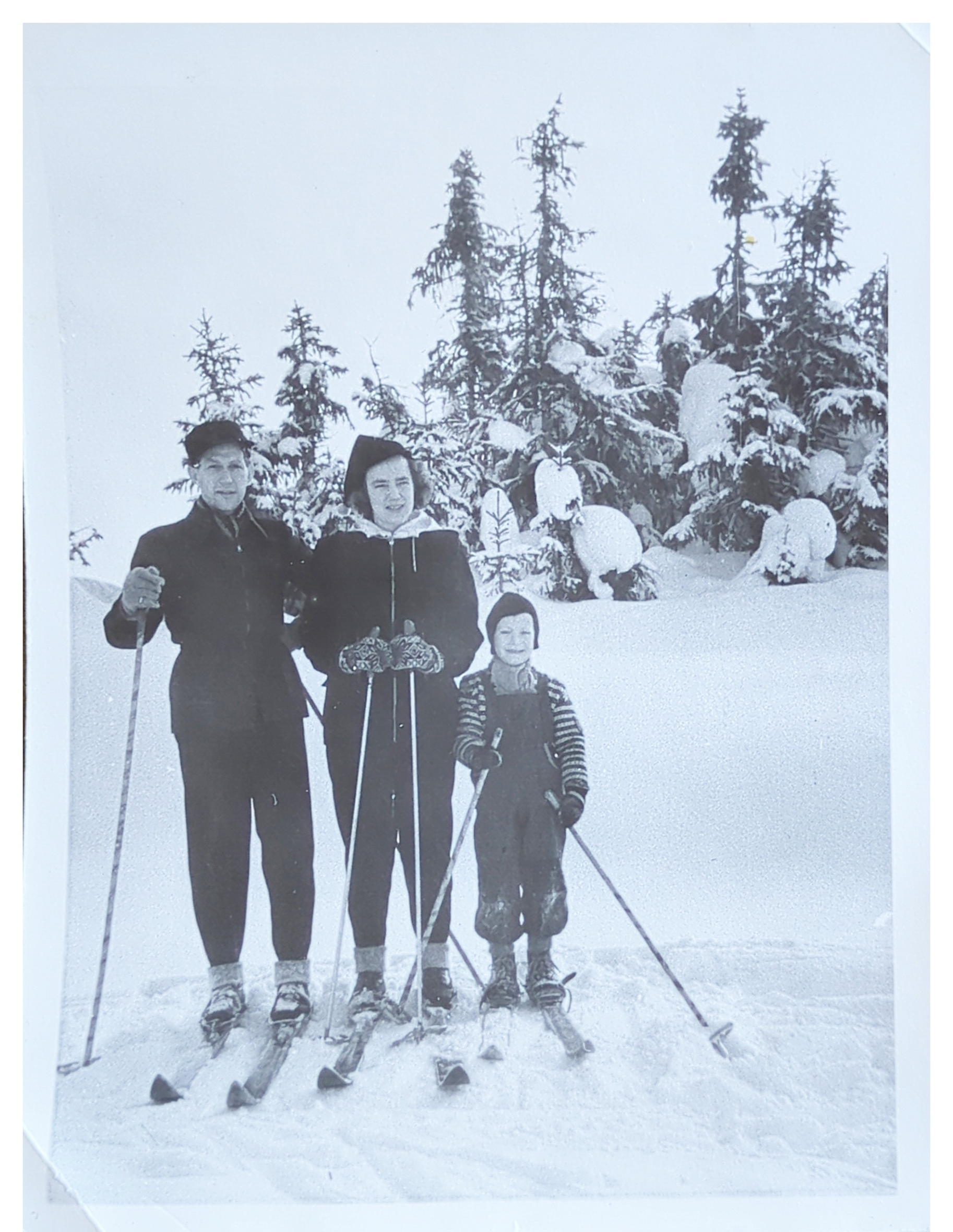
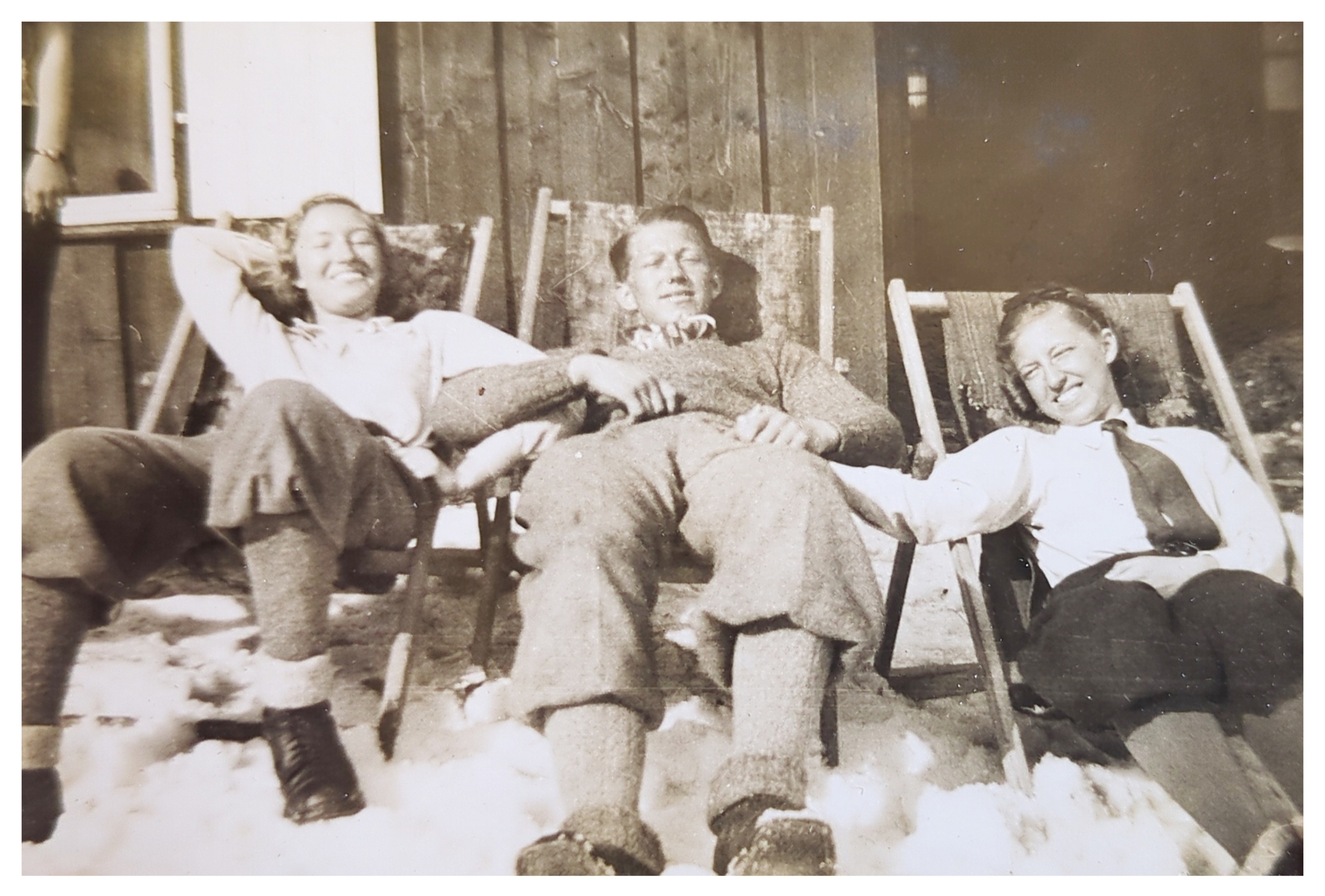
The staff had to get up early to finish all the chores before breakfast. Every stove had to be lit, chamber pots emptied, hot water poured into the wash basins, the paraffin lamps checked and the lamp glasses cleaned of soot. If there had been laundry the day before, the washing hung up to dry in the dining room had to be taken down before the breakfast table was laid. Ski boots placed outside the bedroom doors had to be waxed and made ready. It was a demanding start, but the guests had a wonderful time. They enjoyed themselves so much that several became regulars from the very beginning.
With horses and reindeer from Mesnali
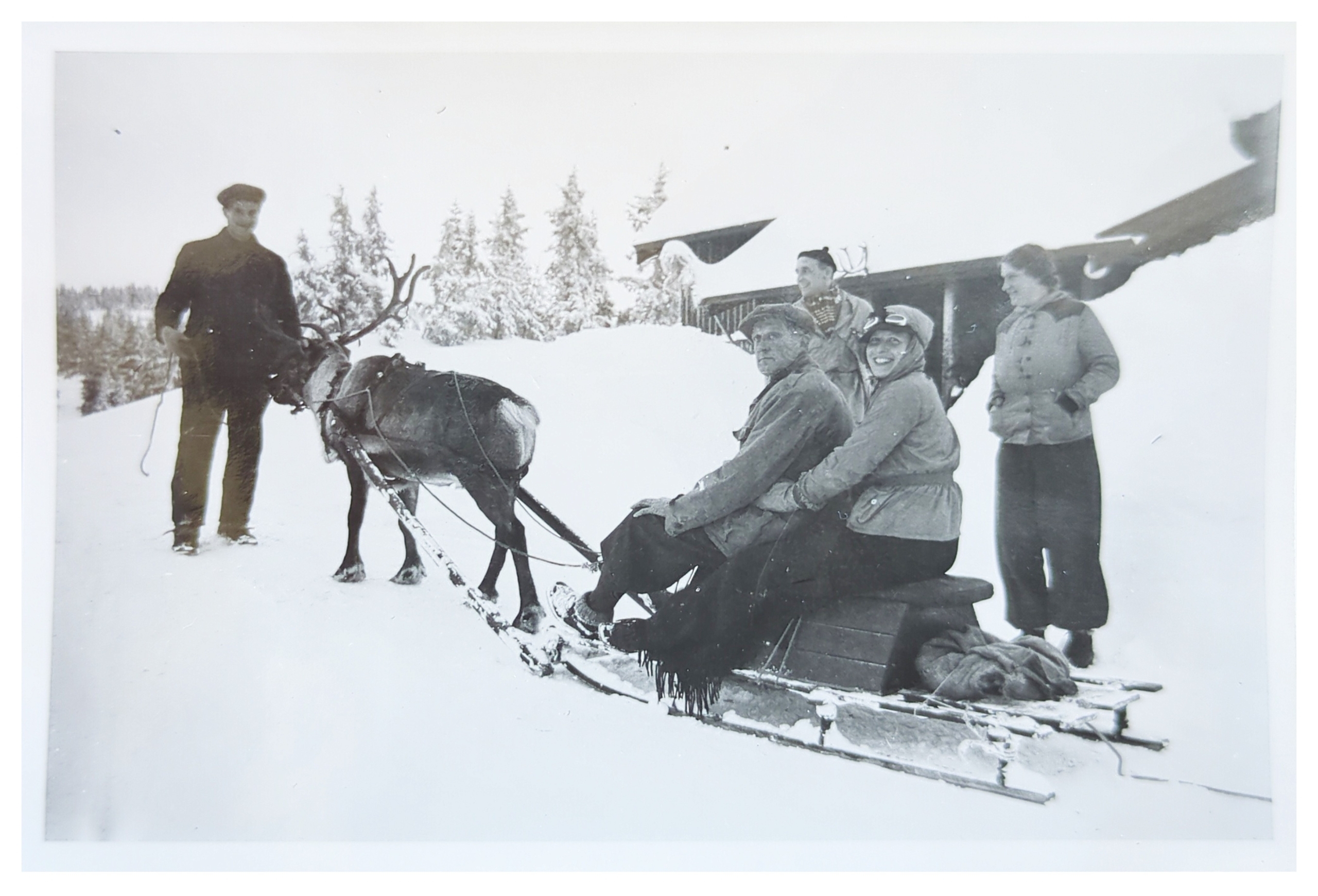
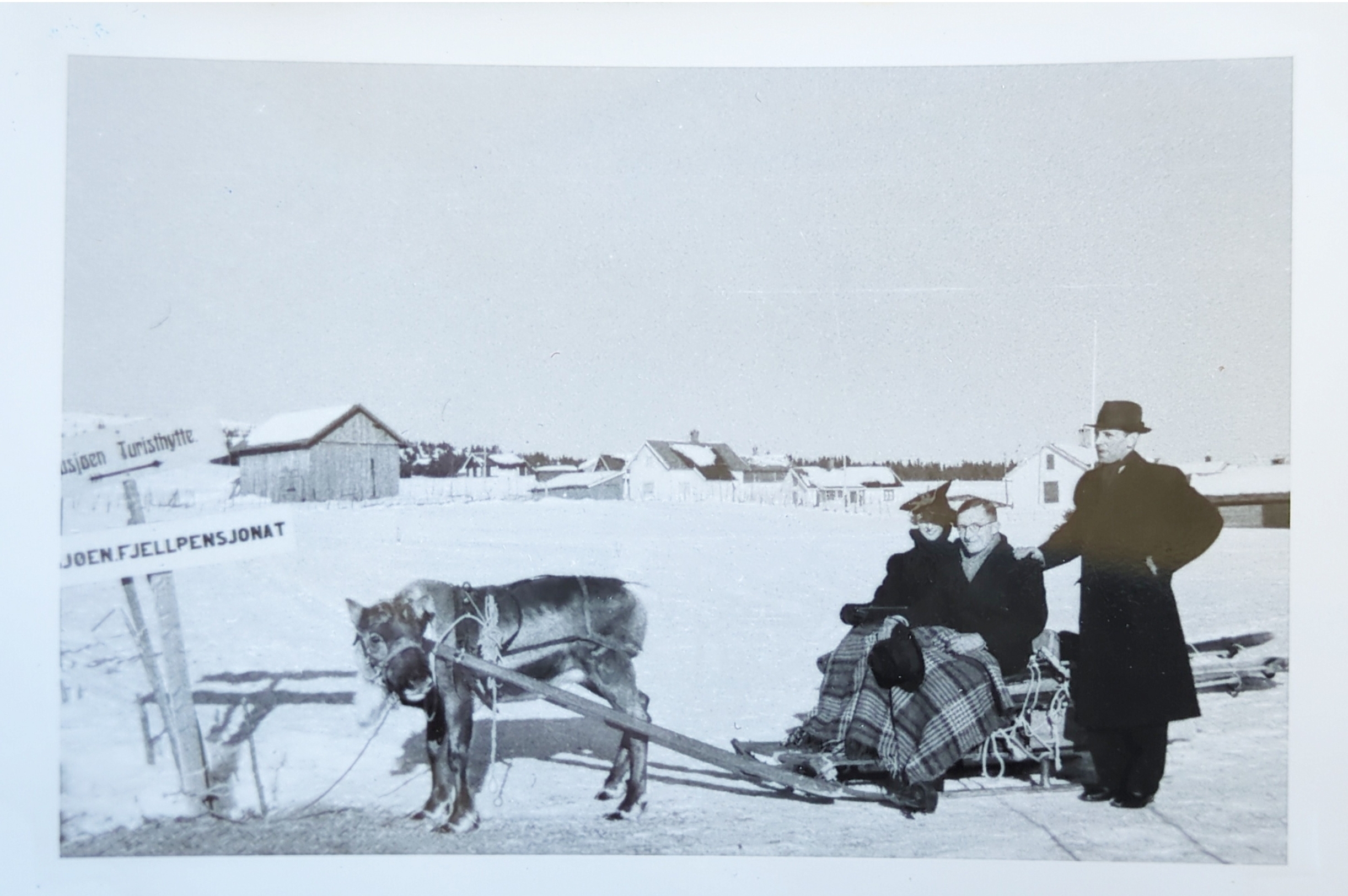
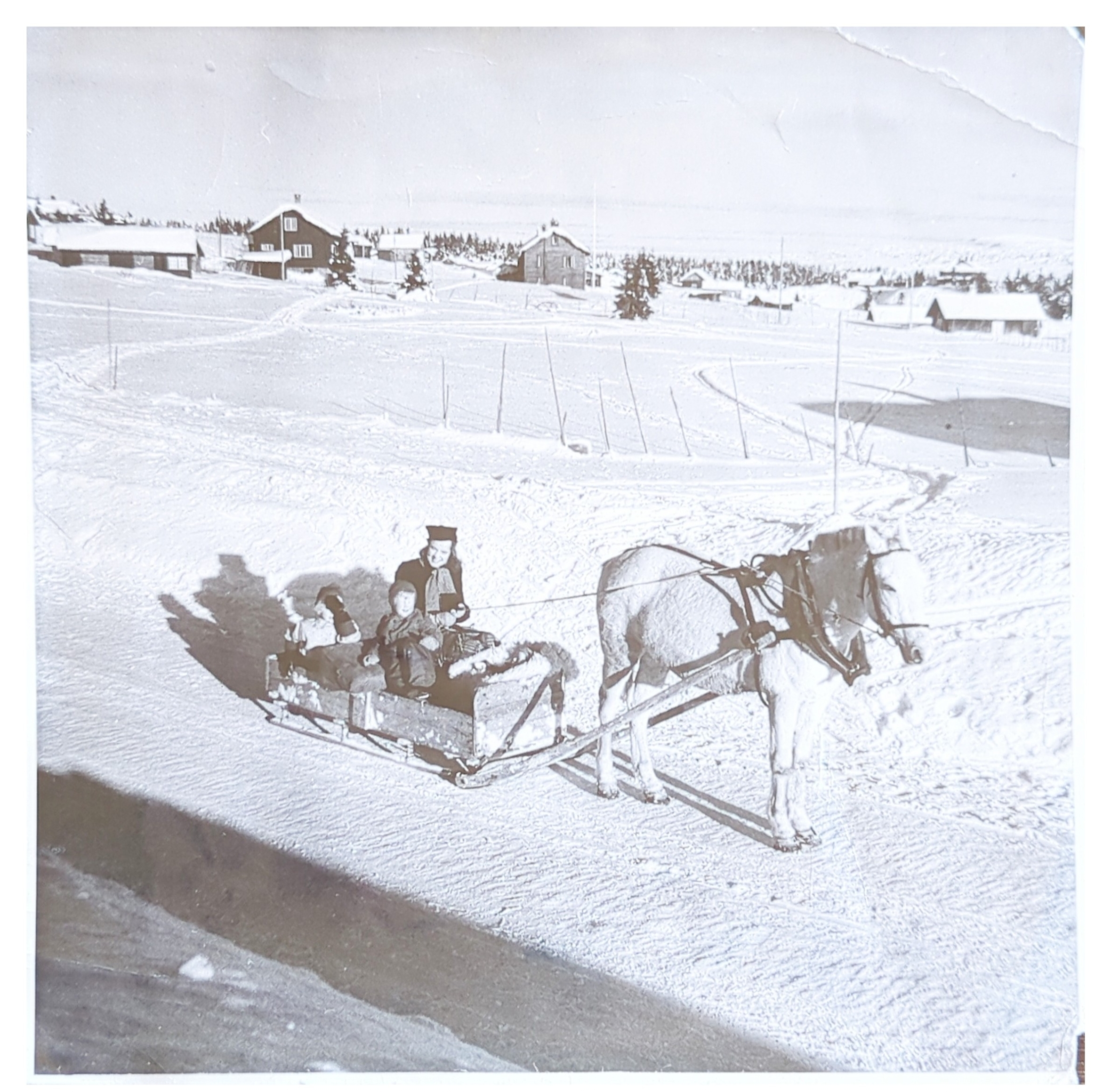
The guests came by bus to Mesnali and were then driven by horse and sleigh to the tourist lodge. In the second winter, reindeer were used to transport guests, luggage and, not least, supplies. Later, Johannes Graaten managed to keep the road open almost all the way to Sjusjøen with an old lorry and a snowplough. That made everyday life easier, and the other businesses at Sjusjøen also started winter operations.
Guests flocked in – Danes in the winter, while in summer Norwegians, Britons and Swedes holidayed at the tourist lodge. With the hosts’ natural hospitality and warmth, many quickly became regulars. There were even waiting lists, and in 1938 the annexe Midtstua was built.
The tourist lodge was a roaring success. A year later their son Helge graduated from hotel school and was ready to take part in the day-to-day running. So far, all was well. Right up until 9 April 1940…